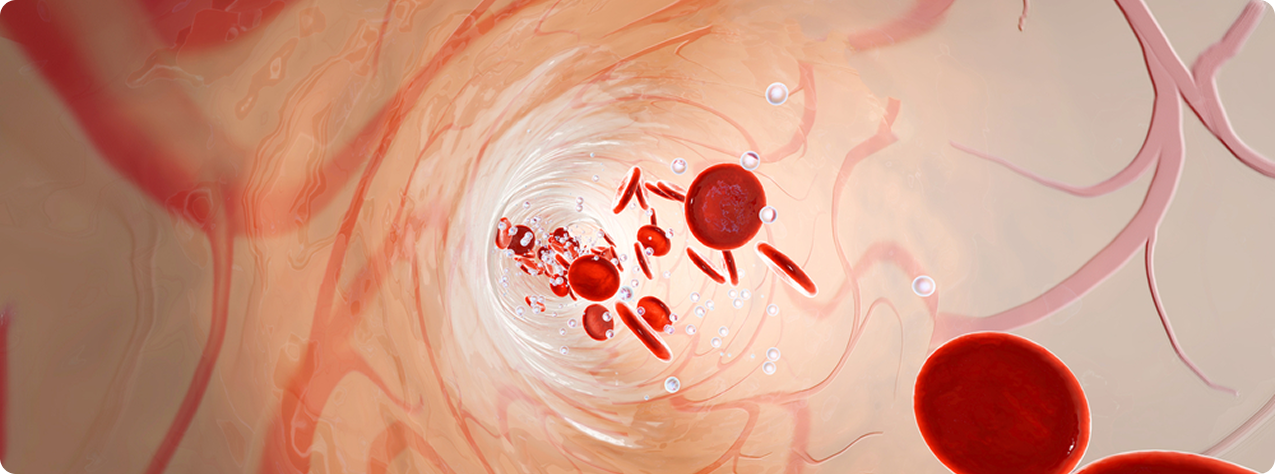
Arteriovenous malformation in the brain
An arteriovenous malformation is a collection of abnormal blood vessels in the brain that connect the veins and arteries in the brain.
Arteries carry oxygenated blood from the heart to the brain Veins return deoxygenated (low oxygen content) blood to the lungs and heart An arteriovenous malformation in the brain interferes with this vital process
Arteriovenous malformation can occur in any part of the body, although this pathology is most often found in the brain and spine. This disease is rare and affects less than one percent of the population
The cause of arteriovenous malformation is unknown In most cases, the disease is congenital, although sometimes the pathology can develop after birth Arteriovenous malformation is rarely inherited genetically
People with arteriovenous malformations sometimes have symptoms such as headaches and epileptic-type seizures. An arteriovenous malformation is usually discovered incidentally when examining a brain image taken for another disease However, the disease is also diagnosed if blood vessels burst and cause bleeding (hemorrhage) in the brain.
Once a brain arteriovenous malformation is diagnosed, it is essential to treat it to prevent complications such as brain damage and stroke.
- The cause of arteriovenous alformation is unknown, although experts believe that this pathology is formed during fetal development.
- Under normal conditions, the heart sends oxygenated blood to the brain through the arteries. Blood flow in the arteries slows down as the arteries pass through a network of smaller blood vessels and end in the smallest blood vessels (capillaries). Capillaries in brain tissue deliver oxygen to the brain through their thin, porous walls
- The deoxygenated (deoxygenated) blood then passes from the small blood vessels into the large veins that exit the brain and return the blood to the heart and lungs to be re-oxygenated.
- In arteriovenous malformation, arteries and veins lack small blood vessels and capillaries. In this pathology, blood flows directly and quickly from arteries to veins, bypassing nearby tissues
Arteriovenous malformation of the brain may be asymptomatic until the blood vessels rupture, causing bleeding in the brain (hemorrhage). Hemorrhage is the first sign of the disease in half of the pathology cases
In addition to the symptoms related to bleeding, the disease may be characterized by other manifestations and signs
Symptoms of patients in whom the disease proceeds without bleeding:
- Epilepsy-type attacks
- Pain in the head or face in a specific area of the head
- Muscle weakness and numbness in one part of the body
- According to the location of the arteriovenous malformation, patients may have a more serious neurological type
Severe loss of balance - Symptoms can develop at any age, although symptoms usually begin between the ages of 10-40 Arteriovenous malformation of the brain can damage the brain tissue over time This process develops slowly and as a result symptoms appear in youth
- After reaching middle age, the arteriovenous malformation of the brain stabilizes and causes less symptoms.
- Due to changes in blood pressure and volume, symptoms are worse in pregnant women
- One severe form of arteriovenous malformation, the venous malformation of Galen, causes symptoms that are present at birth. In this form of the disease, the main blood vessel involved causes fluid to build up in the brain and cause swelling of the head Symptoms may include scapular veins, epileptic seizures, abnormal growth and congestive heart failure
When to see a doctor Seek emergency medical care if you notice any symptoms of an arteriovenous malformation of the brain, such as epileptic-type seizures, headaches, and Sh Bleeding caused by the disease is life-threatening and requires immediate medical attention