Porphyria
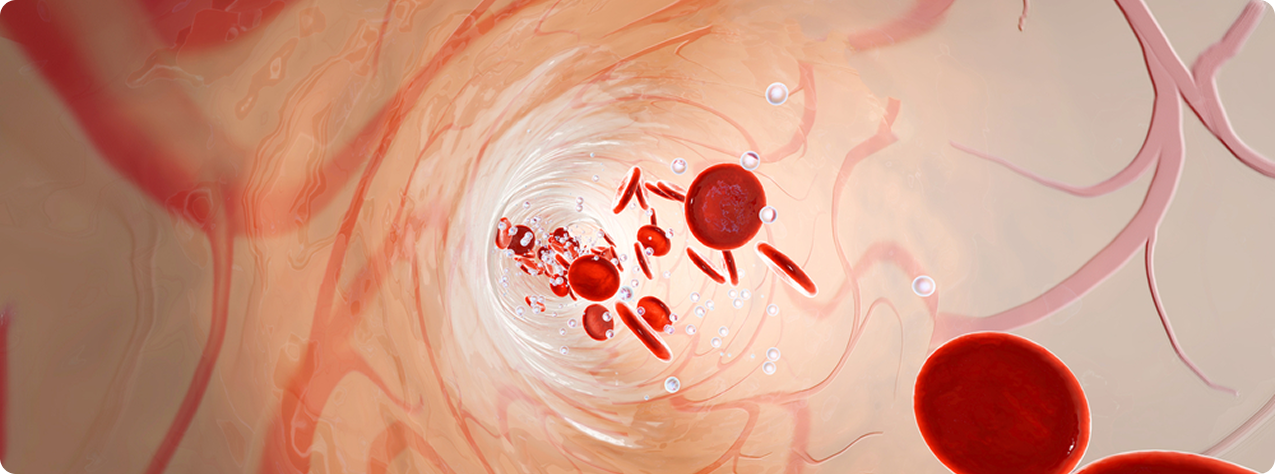
Porphyria is a group of diseases caused by the accumulation of natural porphyrin-forming chemicals in the body. Porphyrin is a necessary component for the normal functioning of hemoglobin Hemoglobin is a protein in red blood cells that binds to porphyrins, binds iron, and carries oxygen to organs and tissues. A high content of porphyrins in the body can cause significant problems
Porphyria mainly affects the nervous system, skin and other organs. Porphyria symptoms vary depending on the specific form and severity Porphyria is usually hereditary One or both parents pass the abnormal gene to their child However, in some forms of porphyria, environmental factors play a role in the development of symptoms
Treatment depends on the form of porphyria Although porphyria is usually incurable, lifestyle changes may improve the condition
Porphyria is an inherited mutation in one of the heme-producing genes. However, in some cases the symptoms are also caused by environmental factors
Heme is the main component of hemoglobin Hemoglobin is a protein in red blood cells that carries oxygen from the lungs to the rest of the body Heme is also involved in breaking down chemicals so they can be removed from the body Heme is produced mainly in the bone marrow and liver by binding to porphyrin and iron.
8 different enzymes add and convert natural, small structures into porphyrins, which become after binding to heme iron Deficiency of any of the enzymes involved in the formation of heme leads to the accumulation of porphyrins, resulting in the development of symptoms Each type of porphyria is caused by an enzyme deficiency
Genetics Most forms of porphyria are inherited Porphyria can develop if the patient has inherited:
- Defective gene from one parent (autosomal-dominant inheritance)
- Defective gene from both parents (autosomal recessive inheritance)
causing porphyria You may have a condition called latent porphyria and not develop any symptoms at all This case is present in the majority of patients with the disease
There are two categories of porphyria - acute, which mostly affects the nervous system, and skin form Some types of porphyria cause both nervous system and skin symptoms
Acute porphyrias
Acute porphyrias include forms of the disease that usually cause nervous system symptoms These symptoms appear quickly and can be life-threatening Attacks of acute porphyria are rare in prepubescent and postmenopausal women Symptoms may last for 1-2 weeks and usually improve slowly after the attack
Possible symptoms of acute porphyria:
- Severe pain in the abdomen
- Abdominal distention
- Pain in the chest, lower limbs and back
- Constipation or diarrhea
- Nausea
However, these types of porphyria usually do not affect the nervous system Attacks last for several days In some types of the disease, symptoms begin in infancy and childhood
As a result of exposure to sunlight, the patient may experience:
- Sensitivity to the sun and sometimes to artificial light, which causes burning pain
- Sudden, painful redness (erythema) and swelling (edema) of the skin
- Blisters that may heal after several Therefore, it is difficult to understand that the symptoms are due to an attack of porphyria Any of the following symptoms require immediate medical attention:
- Severe abdominal pain Pain in the chest, lower limbs and back accompanied by constipation, vomiting and in some cases diarrhoea.
- Sensitivity to sunlight and artificial light that causes sudden burning, aching pain, blistering, redness (erythema) and swelling (edema) of the skin
- Red or brown colored urine