rosacea
Rosacea is a common skin condition that causes redness and small, red, pus-filled bumps on the skin. Although rosacea can occur at any age, the disease is most common in middle-aged women with fair hair
Without medical intervention, rosacea tends to worsen over time The symptoms of the disease appear for several weeks or months and then pass on their own before the next episode Rosacea is often confused with acne, allergic reactions, and other skin problems
Although there is no cure for rosacea, treatments can control and relieve symptoms. If you notice persistent redness on your face, consult your doctor for timely diagnosis and appropriate treatment
The causes of rosacea are unknown, but it is believed to be caused by a combination of genetic and environmental factors.
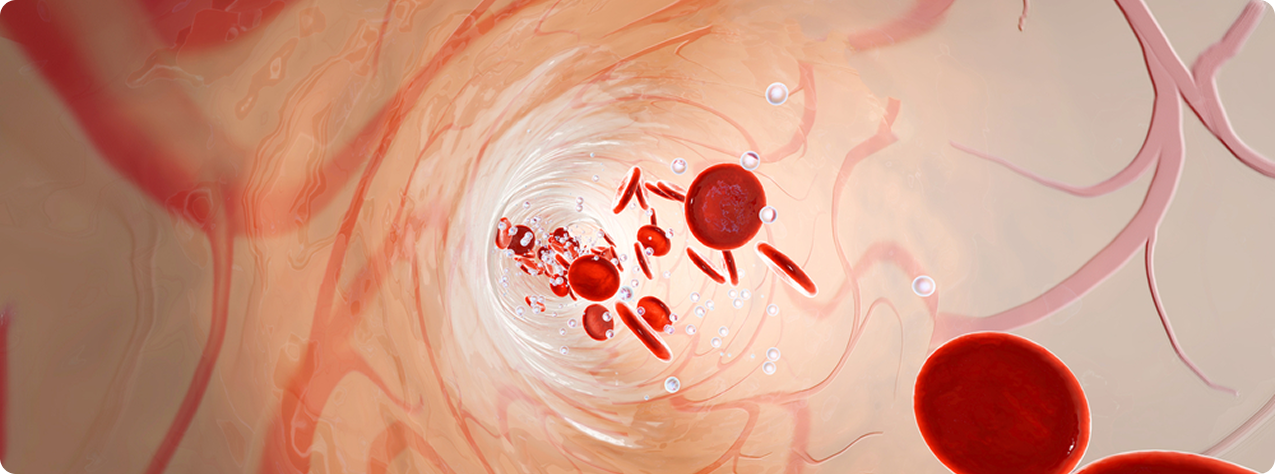
Many conditions can cause or worsen rosacea by increasing the blood supply. Such factors are:
- Hot food or drinks
- Spicy food
- Alcohol
- High temperature
- Sunlight
- Stress, anger and embarrassment
- Severe physical exertion
- Hot baths or
Symptoms of rosacea:
- Redness in the face area Rosacea usually causes redness in the center of the face Small blood vessels in the nose and cheeks expand and become visible
- Industrial red bumps A large proportion of patients with rosacea also experience acne-like bumps on the face Piles sometimes contain pus The skin may be warm and sore
- Eye problems In half of patients with the disease, dry eyes, irritation, as well as swelling and redness of the eyelids are noted. In some cases, eye symptoms precede skin manifestations
- Nose enlargement In rare cases, rosacea causes the skin on the nose to thicken, causing the nose to swell (rhinophyma). This condition is more common in men
When to see a doctor
If you notice persistent redness in the face, see a dermatologist for diagnosis and appropriate treatment